Physical Address
304 North Cardinal St.
Dorchester Center, MA 02124
Physical Address
304 North Cardinal St.
Dorchester Center, MA 02124

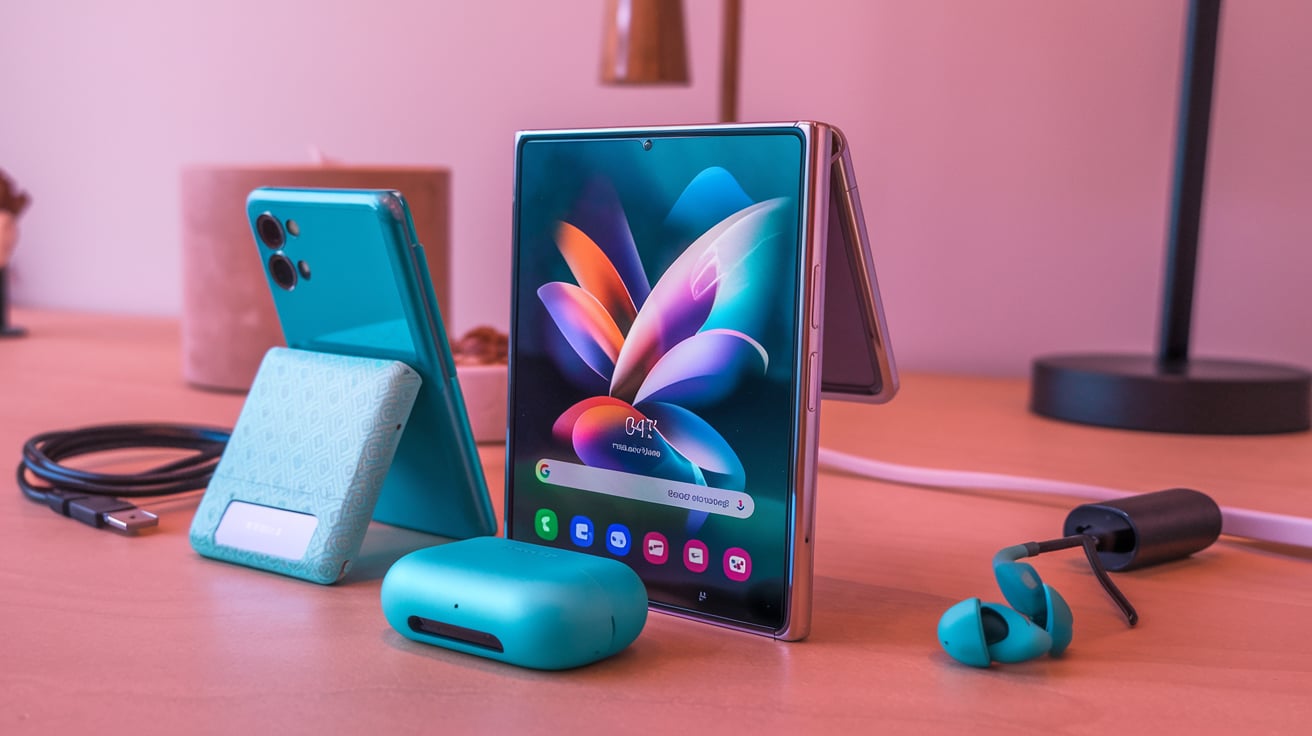
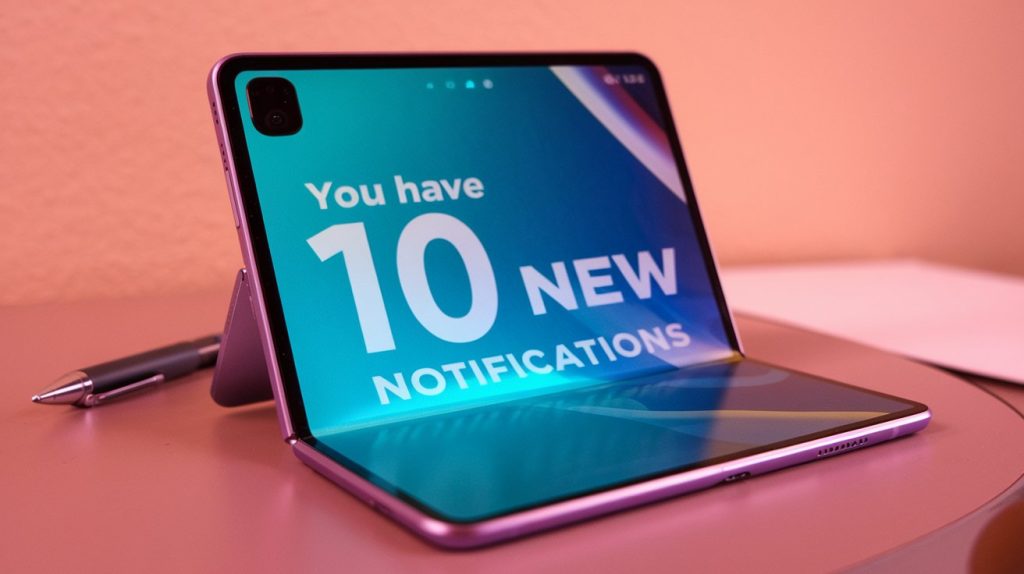
The Rise of Foldable Tech: Are Foldable Phones the Future?
Introduction: Unfolding Innovation Imagine pulling a phone from your pocket and transforming it into a tablet with a single smooth motion. This once-futuristic vision has become a reality with foldable phones, signaling a new wave of technological evolution. Foldable tech is reshaping the boundaries of design and functionality, but the big question remains: Are foldable phones the future?
In this deep dive, we’ll explore the technology behind foldables, market trends, user experiences, and what the future may hold for this innovative segment of mobile technology.
The Birth of Foldable Tech: A Timeline To understand the rise of foldable phones, let’s look back at key milestones:
These breakthroughs laid the foundation for today’s sleek and versatile foldable devices.
How Foldable Tech Works: The Science Behind the Screens Foldable phones utilize flexible OLED displays layered on ultra-thin glass or polymer sheets that bend without breaking. Here’s a closer look at the components:
Interactive Section: Try This Thought Experiment Think about your daily smartphone use. What apps or functions would benefit from a larger, expandable screen? Sketch your ideal foldable phone design and consider how its form factor could enhance productivity or entertainment.
Why Consumers Are Embracing Foldables The appeal of foldable phones goes beyond their futuristic aesthetics. Let’s examine the factors driving consumer adoption:
Current Foldable Players in the Market Several tech giants have entered the foldable space, each bringing unique innovations:
User Experience: The Good, the Bad, and the Foldable While foldable phones offer numerous advantages, they come with challenges:
Poll: What’s Your Take?
Market Trends and Sales Performance Foldable phone sales have seen steady growth despite challenges:
Creative Scenario: A Day with a Foldable Phone Picture this: You start your morning checking emails on a compact device. On your commute, you unfold your phone to stream your favorite show. At work, you seamlessly multitask with side-by-side apps. By evening, it’s back to its compact form in your pocket. The foldable phone transforms your day, adapting to every scenario.
Challenges on the Road to Mainstream Adoption Despite their promise, foldable phones must overcome several obstacles:
Consumer Insights: Voices from the Foldable Frontlines Here’s what early adopters have to say:
The Future of Foldable Tech: Predictions and Possibilities
Interactive Challenge: Design the Future What features would your dream foldable phone have? Sketch or describe your vision and share it on TechNector’s community page.
Conclusion: Is the Future Foldable? The journey of foldable phones is still unfolding. They have already made a significant impact and captured the imagination of consumers worldwide. As technology advances and prices drop, foldables may well become the norm, blending innovation with practicality.
Whether you’re ready to embrace the fold or remain a sceptic, one thing is clear—foldable tech is pushing the boundaries of what smartphones can be.
What do you think? Join the discussion on TechNector and share your thoughts on the future of foldable phones!


