Physical Address
304 North Cardinal St.
Dorchester Center, MA 02124
Physical Address
304 North Cardinal St.
Dorchester Center, MA 02124

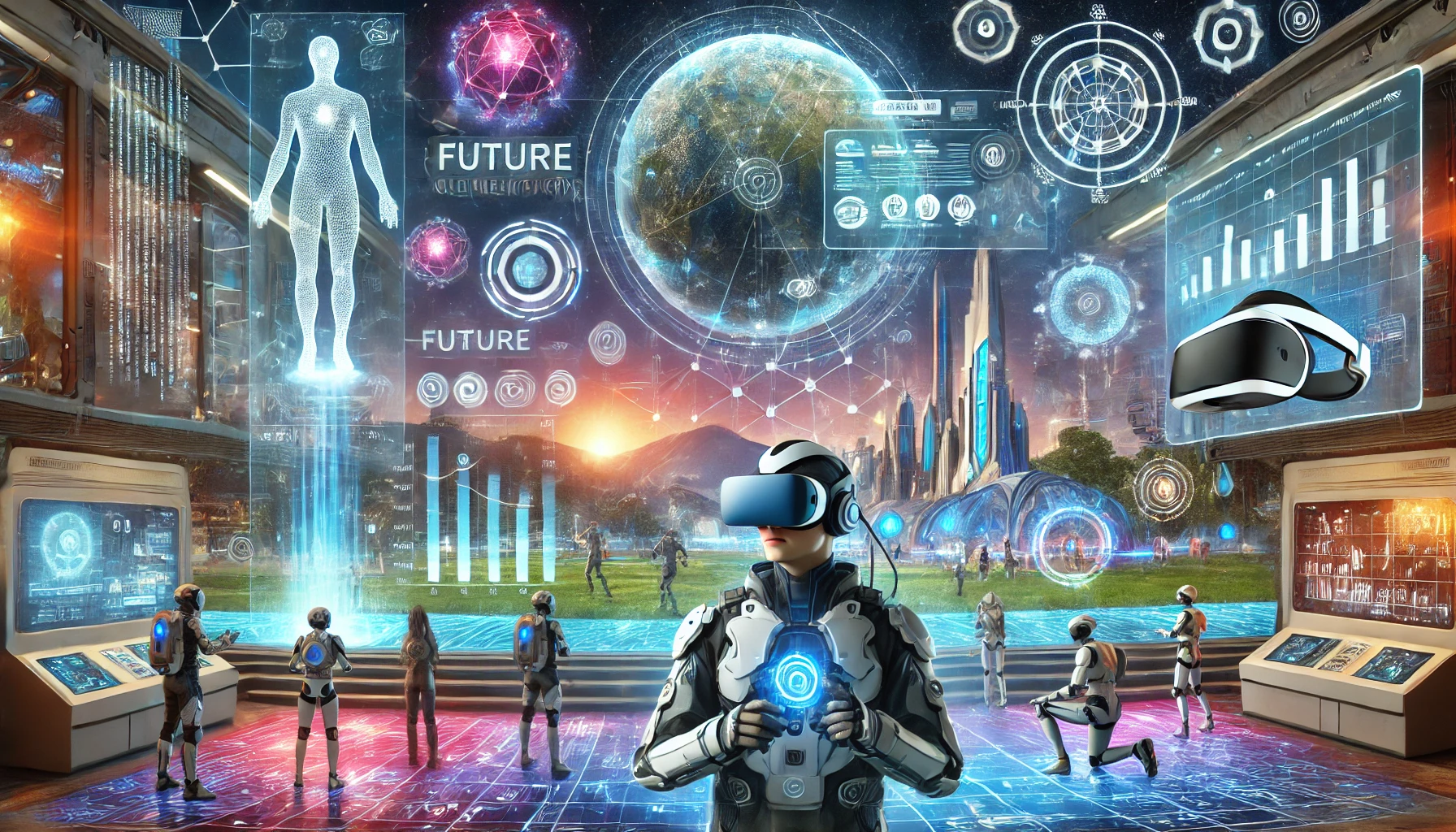

The gaming industry stands at the forefront of technological innovation, continually reshaping entertainment and interactive experiences. As we look ahead, several key trends are poised to define the future of gaming, blending cutting-edge technology with creative design to deliver unprecedented levels of immersion and engagement.
1. The Metaverse: A New Frontier in Gaming: The concept of the metaverse—a vast, interconnected virtual universe—has gained significant traction, with gaming positioned as a central pillar in its development. According to a survey by Ernst & Young, 97% of gaming industry executives believe that gaming is at the heart of the metaverse’s current landscape. In this evolving ecosystem, players can seamlessly transition between various games and experiences, carrying their digital identities and assets across platforms. Epic Games’ CEO, Tim Sweeney, envisions an open metaverse where players move fluidly between game experiences, maintaining group connections regardless of the underlying technology.
2. Web3 and Decentralization: Empowering Players Web3 technologies, underpinned by block chain, are set to revolutionize gaming by granting players true ownership of in-game assets. This shift enables items like skins, weapons, and virtual real estate to be owned as non-fungible tokens (NFTs), tradable across different platforms. Such decentralization fosters player-driven economies and introduces new revenue streams for both players and developers.
3. Play-to-Earn Models: Monetizing Gameplay the rise of play-to-earn (P2E) models allows players to monetize their in-game activities. Games like “Axie Infinity” reward players with tokens or NFTs for completing tasks, battling opponents, or progressing through levels. These digital assets can be traded or sold for real-world value, democratizing gaming by providing earning opportunities, especially in regions with limited access to traditional financial systems.
4. Advances in Graphics and Immersion: While video game graphics have reached remarkable levels of realism, recent advancements appear more incremental. The transition from 8-bit to 16-bit or from 2D to 3D marked significant leaps, whereas current improvements, such as higher frame rates and ray tracing, are often appreciated mainly by hardcore gamers. This trend has led developers to focus on creative art direction and engaging gameplay over sheer graphical fidelity.
5. Integrating Sensory Experience: Innovations aimed at enhancing immersion through sensory experiences have met with mixed reactions. For instance, Sony’s introduction of scent-based technology intended to create a fully immersive environment was met with skepticism. Gamers questioned the value of incorporating scents like sweat and gunpowder, suggesting that efforts might be better directed toward improving virtual reality (VR) technologies.
6. Handheld Gaming and Cross-Platform Integration: Microsoft’s plans to integrate Xbox and Windows for handheld devices signal a move toward unified gaming experiences across platforms. By simplifying Windows and adding Xbox functionality, Microsoft aims to support diverse interaction models, enhancing the handheld gaming experience and preserving game libraries across devices.
7. Anticipated Releases and Market Dynamics: The gaming industry anticipates significant releases, such as “Grand Theft Auto VI,” expected to generate over $3 billion in its first year, potentially becoming the highest-grossing video game ever. Additionally, the launch of the Nintendo Switch 2 is projected to drive substantial market activity, indicating a dynamic period ahead for the industry.
8. Balancing AI Integration with Human Creativity: As artificial intelligence (AI) becomes more prevalent in game development, industry leaders emphasize preserving the human touch in creative processes. PlayStation’s co-CEO, Herman Hulst, highlights the necessity of balancing AI integration with human creativity to maintain the authenticity and emotional engagement of games
9. Emerging Trends in Gaming Website Design: The design of gaming websites is evolving to enhance user engagement and experience. Key trends include:Immersive Storytelling: Websites are becoming canvases for storytelling, offering visitors a taste of the game’s world through engaging animated backgrounds and video teasers. Parallax Scrolling for Depth: This technique creates a 3D effect, immersing users in the game’s environment as they scroll through the page. Minimalistic Navigation: Simplified menus enhance user experience, making it effortless to explore game features and updates. Dark Mode Dominance: Adopting dark mode themes reduces eye strain and allows vibrant game visuals to stand out. Interactive Elements: Features like mini-games and interactive maps provide visitors with a taste of the gaming experience, keeping them engaged.
10. The Future Outlook: The gaming industry’s future is poised to be shaped by technological advancements, creative innovations, and evolving player expectations.
As the metaverse expands, Web3 technologies mature, and new models of gameplay and monetization emerge, the boundaries between virtual and real worlds will continue to blur, offering players unprecedented experiences and opportunities.Interactive Element: Your Vision for the Future of Gaming We invite you to share your thoughts on the future of gaming. What innovations are you most excited about? How do you envision the gaming landscape evolving in the next decade? Share your insights in the comments below or participate in our interactive poll to see how your predictions align with those of fellow gamers.ConclusionThe future of gaming is a dynamic tapestry woven from technological innovation, creative artistry, and player-driven evolution.


